

Spring Motorcycle Maintenance: What to Check Before Your First Long Ride
After months off the bike, your first ride of the season tells you everything—and most riders miss what actually matters. Spring maintenance is not just about getting your Harley running again. It is about making sure it feels right, rides right, and is ready before the miles start stacking up.
After winter, your first ride usually reveals what changed
A lot of riders roll the bike out in spring, fire it up, and think the job is basically done if it starts and idles. But the first real ride usually tells a different story.
The bike might feel stiffer than you remember. The controls may not feel as smooth. The brakes may feel a little softer. The wind may feel more noticeable. The whole bike might just feel slightly off in ways that are easy to ignore at first.
Most riders assume that is just part of getting back into the season. Sometimes it is. A lot of times it is your bike telling you exactly what needs attention before you trust it on a long ride.
Start With a Clean Bike So You Can Actually Inspect It
A proper spring reset should start with a full cleaning, not just because the bike looks better, but because dirt hides problems. Pull the seat. Take off the saddlebags. Clean the areas you normally do not see.
That is where you catch little leaks, loose hardware, rubbed wiring, corrosion, or anything that started showing itself while the bike sat. Once it is clean, finish it with a good wax job so the bike is protected and ready for the season ahead.

The basic spring checks still matter
Before getting into the ride-quality side of things, the basic service items still need to be handled.
- Check air pressure in both tires and inspect for cracking, flat spots, punctures, or other damage.
- Check battery condition and charge.
- Inspect belt condition and tension.
- Look over visible fasteners, mounts, and connections.
- Check fluid levels for engine oil, transmission fluid, and primary fluid.
If you already did a full three-hole service in the fall, then checking levels and condition may be enough. If you did not, spring is a smart time to start the season with fresh fluids instead of carrying old service into your riding months.
Maintenance keeps it running. Setup determines how it rides.
This is the part a lot of riders miss. A bike can be “maintained” and still not feel right.
Spring maintenance is not just about making sure nothing fails. It is also about making sure the bike feels planted, smooth, predictable, and comfortable once you are actually out riding real miles again.
If you run air shocks, check them before you trust them
If your bike has air shocks, check the pressure before your first real ride. Sitting all winter does not automatically mean they are where you left them. Pressure can change, seals can age, and the bike can feel different even if nothing dramatic happened.
This is also a good time to ask whether your current setup still matches how you ride. Maybe you are carrying more gear. Maybe you are riding two-up more often. Maybe the bike felt “fine” last year, but now it feels harsher or less controlled.
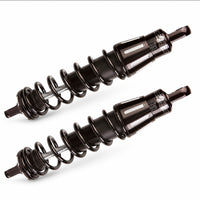
If you want a better understanding of how rear suspension affects comfort, control, and fatigue on a Harley touring bike, start here: Why Super Shox Suspension.
A bike can be maintained correctly and still feel wrong on the road if the setup no longer matches how it is actually being ridden.

Spring Is When Ride Problems Start Showing Themselves Again
Once the bike is back on the road, the first few rides usually make it obvious whether the setup still feels right. Harshness, loose rear feel, extra fatigue, or that vague “something still feels off” feeling often shows up quickly once you start putting miles back on.
Do not skip the controls, cables, and contact points
Small friction points turn into annoying ride problems fast, especially when you have not ridden in a while.
Take the time to oil the cables and lubricate the clutch and brake levers with a high-quality food-grade lubricant. That helps restore smoothness and consistency to the controls instead of starting the season with everything feeling dry, sticky, or heavier than it should.
Those details sound small in the garage, but they are exactly the kind of things that make a bike feel better or worse over the course of a full day in the saddle.
Brake and hydraulic fluid deserve more attention than most riders give them
One of the smartest spring checks is using a tester to see whether there is water contamination in your brake fluid and hydraulic clutch fluid reservoirs. A lot of riders never check this, but moisture in the fluid changes feel and reduces confidence when it matters.
If the fluid is old or contaminated, spring is a good time to flush it. One effective way to do that is with a vacuum bleeder. Pull fluid from the brake caliper or lower hydraulic reservoir while adding fresh fluid at the handlebar reservoir until the fluid running into the vacuum line is clean and clear.
That approach helps flush the system while reducing the chance of pulling air into it. It also gives you a much better starting point for the season than hoping old fluid still feels acceptable.
If the brakes or clutch still feel vague after service, that is not something to brush off. Fix it before the season is fully underway.
Check the tire condition, not just the tire pressure
A lot of riders check PSI and move on, but the condition of the tire matters just as much. Look for dry cracking, puncture damage, uneven wear, or flat spotting from sitting.
Tires can technically still hold air and still not be in the condition you want for your first long ride. If anything looks questionable, it is a lot better to deal with it in the garage than halfway through a trip.
Do not forget the exhaust hardware
Spring is also a good time to check torque on the exhaust bolts at the motor and the mounting points where the exhaust attaches to the bike. Loose exhaust hardware can create vibration, rattling, noise, and long-term headaches that are easy to avoid if you catch them early.
This is one of those maintenance items riders often overlook because the bike still “sounds fine,” but it is worth checking before the season gets rolling.
Wind fatigue shows up fast in spring too
Spring riding has a way of exposing wind issues quickly. Colder air, longer highway stretches, and the first real miles of the year tend to make buffeting, helmet movement, and chest pressure feel more noticeable than they did when you parked the bike.
A lot of riders think that is just part of the season. Sometimes it is really a windshield problem or a wind-management problem that has been there all along.
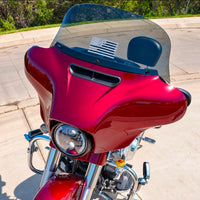
If that sounds familiar, this guide is the right place to start: Learn About Freedom Shields Harley Windshields.
What to pay attention to on your first real ride
Once the bike is cleaned, checked, and put back together, the first ride should not just be a ride. It should be a test.
- Do you feel bumps more than you remember?
- Do the brakes or clutch feel less crisp than they should?
- Does the bike feel less stable once you hit rough pavement?
- Are you getting pushed around by the wind more than expected?
- Are you shifting around trying to get comfortable earlier than you should?
Those are not little annoyances to ignore. They are signals. Spring is the best time to catch them before they turn into a whole season of riding around a problem.
The mistake most riders make is just riding through it
A lot of riders feel something off on the first or second ride and tell themselves they will get used to it again. Sometimes that means riding with brake fluid that should have been changed. Sometimes it means riding with suspension that no longer feels right. Sometimes it means accepting wind fatigue as normal.
Then the season keeps going and the bike never really feels dialed back in.
That is the part worth avoiding. Spring maintenance should not just get your bike moving. It should get your bike ready to feel right again.
What to fix first if something still feels off
Harsh ride or loose rear feel
Start with suspension. If the bike feels rough, vague, or unsettled, the problem may be deeper than basic maintenance.
Helmet shake or wind fatigue
Start with wind management. Wind pressure and buffeting wear riders down faster than most expect.
Not sure what it is?
The right move is to figure out the actual cause first instead of guessing or stacking random fixes.
The real takeaway
Good spring maintenance is more than an oil check and tire pressure check. It is the reset that tells you whether your bike is actually ready for the season ahead.
Clean it thoroughly. Inspect what you normally do not see. Check the tires, fluids, controls, brakes, hydraulic system, air shocks if you have them, and the hardware that can work loose over time. Then pay attention to what the bike tells you on that first real ride.
Because the goal is not just getting the bike started again. The goal is getting it back to feeling right.
Do the maintenance, but do not ignore what the ride is telling you
A clean bike, fresh fluids, checked hardware, and proper spring prep matter. But if the bike still feels rough, vague, or tiring once you are back on the road, the answer may be more than maintenance. It may be time to address the setup itself.
