

You Don’t Hate Long Rides—Your Setup Is Wrong.
A lot of riders think they are just not built for long days in the saddle. Then an hour in, their neck is tight, their helmet is getting slapped around, their hands are cold, rain starts creeping in, and the whole ride feels harder than it should. Most of the time, that is not a riding problem. It is a setup problem.
Most riders do not hate the miles. They hate what the ride is doing to them.
There is a big difference between being tired because you covered real ground and being worn out because your bike and gear are fighting you the whole way.
Wind buffeting. Rain sneaking through bad seams. Gloves that are fine in town but useless once the weather turns. A helmet that works on perfect days but turns every rough-weather ride into a chore. Riders deal with this stuff for years and assume it is just part of motorcycling.
It is not.
Most riders do not need more toughness. They need better wind management, better weather coverage, and a setup that actually matches how they ride.
The mistake most riders make is adapting instead of fixing it
They lean forward into the wind instead of solving the airflow. They tense up their shoulders instead of reducing helmet shake. They wear the wrong jacket and tell themselves they will just deal with it. They ride wet, cold, and distracted because “that is part of it.”
It adds up. And once it adds up, long rides stop feeling like freedom and start feeling like work.

The real problem usually comes down to three things
1. Wind fatigue
Not just wind pressure, but dirty air that hits your helmet and chest in the wrong place all day.
2. Exposure
Rain, cold, and wet hands wear you down fast even when the bike itself is fine.
3. Poor gear strategy
A random pile of gear is not a system. Long rides get easier when your setup works together.
4. Small discomforts that compound
Noise, helmet lift, numb fingers, damp layers, and temperature swings all stack until the ride stops being fun.
Wind is usually the first thing draining you
A lot of riders think wind fatigue just means “it is windy out.” That is not really the issue. The bigger problem is turbulent air. That is the dirty, choppy air that catches your helmet, shakes your head around, creates more noise, and makes you work harder than you realize for every mile.
That is why two bikes can feel completely different at the same speed. One lets you settle in. The other beats you up.
If your helmet feels like it is constantly moving, if your neck and shoulders tighten up on highway rides, or if you arrive more mentally drained than you should, your wind management is probably off.
Wind buffeting is one of those problems riders normalize for years. Then they fix it and realize how much energy it had been stealing the whole time.
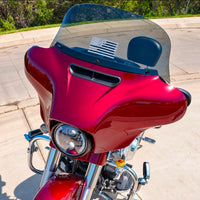
This is exactly where the right windshield matters. Not because it looks good in a product photo, but because the right shape and height can move airflow where it belongs instead of sending it straight into your helmet. If you want to understand how that works on a Harley touring bike, start with Learn About Freedom Shields.

A windshield is not about blocking all the wind
It is about controlling where the air goes. Good wind management is not dead air. It is cleaner air. That is the difference between a bike that feels planted and one that keeps wearing you down.
And this is where a lot of riders buy wrong. They guess on shield height, live with whatever shows up, and then decide all windshields are basically the same. They are not.
If you are trying to solve buffeting instead of just changing the look of the bike, sizing matters. Start here: Freedom Shields Windshield Sizing.
Rain does not just make a ride miserable. It multiplies every weakness in your setup.
A little rain by itself is not the problem. The real issue is what happens when rain meets wind, poor coverage, and bad layering.
Your gloves get wet. Your sleeves start leaking. Water finds the gap at your neck. Now the wind hits wet gear, your body temp drops, your concentration narrows, and the ride starts feeling twice as long as it is.
That is why weather prep is not just about comfort. It is about staying clear, calm, and physically relaxed enough to keep enjoying the ride.
What matters most in the rain
- A real rain layer, not just “water resistant” gear you hope will hold up.
- Gloves that can handle wet, cold conditions without turning your hands numb.
- Coverage that works with your windshield instead of depending on it to do everything.
- Gear you can add or remove as the day changes.
Layering is not about packing more. It is about packing smarter.
A lot of riders overdress the morning, sweat by lunch, then get cold later because the base layer underneath is wrong. Others wear a hoodie and hope for the best. Both approaches fail once the day starts shifting.
The better move is thinking in layers:
- Base layer: helps manage sweat and keeps you drier.
- Mid layer: adds warmth when the temperature drops.
- Outer layer: blocks wind and rain when conditions get ugly.
That system gives you options. And options matter when the day starts cold, turns warm, and finishes wet.
Most riders think they need tougher weather tolerance. Usually they just need a better system for staying dry, regulating temperature, and keeping the wind from beating them up.
Gloves and helmets are where a lot of long rides quietly fall apart
Gloves
Riders underestimate gloves because they are small compared to jackets and shields. But once your hands are cold or soaked, everything gets worse. Controls feel worse. Confidence drops. You stop enjoying the ride and start waiting for it to end.
Having a warm-weather glove and a bad-weather glove is not overkill. It is the same kind of logic as carrying layers.
Helmets
There is nothing wrong with liking a half helmet on the right day. But there is also a reason a full-face helmet feels like a different world when the weather turns ugly or the highway miles start stacking up.
This is one of those quiet rider truths that only matters once you have lived it: having both is smart. A half helmet for the days when you want that open feel. A full-face for long miles, rough weather, colder temps, and days when you want the ride to take less out of you.
The setup that wins is the one that makes the ride feel easier
That is really the whole point. Not more parts. Not more hype. Not a giant pile of gear.
The right setup reduces what the ride is taking from you. Less turbulence. Less noise. Less cold seeping in. Less tension in your shoulders. Less mental drain. More miles before you start noticing the discomfort.
That is what riders are actually chasing when they say they want to be more comfortable. They want the ride to feel smoother, calmer, and more natural for longer.
What to fix first if long rides are wearing you out
If your helmet gets pushed around
Start with wind management and shield sizing. That is usually where the fatigue starts.
If rain or cold ruins the day
Build a better weather system. Layering, gloves, and real rain coverage matter more than most riders think.
If you know wind is the issue
Go straight to the Freedom Shields lineup and start narrowing down the right setup for your bike.
The real reason this matters
Comfort is not soft. Comfort is what lets you keep going.
A calmer ride means less fatigue. Less fatigue means better focus. Better focus means more confidence when the road, weather, or traffic stops being ideal.
A lot of riders spend money chasing sound, power, and looks before they ever fix what is actually making the bike harder to live with. But for the rider who wants to travel farther, enjoy the day longer, and stop arriving beat up, getting the setup right is one of the best upgrades on the bike.
You probably do not hate long rides. You hate what your current setup is doing to them.
Fix the wind. Build a better weather system. Stop guessing on shield height. And if long days in the saddle feel harder than they should, start with the part of your setup that affects every mile: the airflow around you.
