The Motorcycle Trip Planning Checklist Most Riders Build After Making Enough Mistakes
Every touring rider eventually builds a trip-planning system. Not because they love checklists, but because every item on that list usually came from a lesson learned the hard way.
Most riders do not start out with a perfect motorcycle trip-planning checklist.
They build one slowly.
One rainstorm. One missed fuel stop. One full hotel. One road closure. One day they pushed too far. One new part they installed right before a trip and never really tested.
After enough miles, the checklist stops being about being organized.
It becomes about protecting the ride.
Because the best motorcycle trips are not always the ones where everything goes exactly according to plan.
They are the trips where you are prepared enough to handle what changes.
The Best Trips Usually Start Months Before The Kickstand Goes Up
A lot of riders think trip planning starts when they pick a route.
For a real touring trip, it often starts much earlier than that.
If you are riding somewhere new, especially somewhere with mountain roads, tourist towns, national parks, or unfamiliar weather patterns, the research can take months.
That is not a bad thing.
That is how you find the roads, restaurants, overlooks, small towns, and stops that make the trip memorable.
Watch Ride Videos
YouTube can show you road conditions, scenery, traffic, elevation changes, and whether a route actually looks enjoyable on a touring bike.
Read Blogs And Ride Reports
Riders who have already done a similar trip often mention the things maps do not show, like rough roads, great food stops, or places worth skipping.
Look For Local Stops
The best trips usually include more than gas stations and hotels. Local restaurants, historic stops, and scenic pull-offs can change the whole trip.
Check Local Events
Bike rallies, festivals, concerts, fairs, and holiday weekends can affect traffic, lodging, restaurants, and how crowded a destination feels.
Some of the best stops on a motorcycle trip are the ones you discover months before you ever leave the driveway.
The Route Usually Takes More Planning Than The Ride
Google Maps is useful, but it is not a motorcycle trip planner by itself.
It usually wants the fastest route.
Riders often want the better route.
That means scenic roads, good stops, reasonable fuel spacing, restaurants that make sense, roads that are actually paved, and routes that keep the day enjoyable instead of just efficient.
Build The Big Picture In Google My Maps
Use Google My Maps to lay out the whole trip by day. This gives you a high-level view of where the trip is going, how each day connects, and whether the overall plan actually makes sense.
Create Each Day Separately In Google Maps
Once the big picture is built, create each day's route separately. Add your stops, fuel points, restaurants, overlooks, hotels, and waypoints, then adjust the route until it follows the roads you actually want.
Save Stops To Your Phone
Copy each important stop to your phone and organize them by day. Folders on the home screen can save a lot of frustration when you are standing in a parking lot with gloves on and everyone is waiting.
A simple system can make the trip feel much smoother.
Plan the days in My Maps. Build the actual routes in Google Maps. Save the stops to your phone. Then make everything easy to find before the trip starts.
Use A Shared Trip Sheet So Everyone Has The Plan
If you are the person planning the trip, one of the best things you can do is create a shared spreadsheet.
It does not need to be complicated.
A simple Google Sheet with start points, stop points, estimated departure times, estimated arrival times, hotel information, and links to the routes can keep the whole group on the same page.
| Day | Stop | Time | Route Link |
|---|---|---|---|
| Day 1 | Hotel to Fuel Stop | 8:00 AM - 9:15 AM | Google Maps Route |
| Day 1 | Fuel Stop to Lunch | 9:30 AM - 12:00 PM | Google Maps Route |
| Day 1 | Lunch to Hotel | 1:00 PM - 5:30 PM | Google Maps Route |
The times do not have to be followed perfectly.
They are a guide, not a prison.
The real value is that if someone gets separated, misses a turn, needs fuel, or leaves late, they still know where the group is headed.
Good planning does not remove freedom from a motorcycle trip.
It protects it.
Finding A Place To Sleep Is Harder Than It Used To Be
Years ago, it was often easier to ride until you felt done for the day, pull out your phone, and find a nearby hotel.
In many popular riding areas, that approach has become a lot riskier.
Tourist towns fill up. National park areas fill up. Popular riding destinations fill up. Events, rallies, festivals, and summer weekends can make nearby rooms disappear fast.
Nothing changes tomorrow's route faster than finding out the closest available room is eighty miles away.
Best For Moving Every Day
- Easy check-in
- Easy check-out
- Consistent expectations
- No cleanup routine
- Better for one-night stops
Best For Longer Base-Camp Stays
- Can work well for groups
- Good for multi-day stays
- Kitchen and hangout space
- More property-specific rules
- Often takes more time to manage
Airbnb can be great when you are staying in one place for several days.
But when you are covering ground every day, hotels often make more sense.
When you are staying somewhere for one night and leaving at sunrise, simplicity usually beats novelty.
Do Not Let The Trip Be The Test Ride
This is one of the biggest mistakes riders make before a long trip.
They install new parts, pack the bike, load the Tour Pack, add luggage, maybe add a passenger, and then the first real test is the trip itself.
That can turn a great trip into a rolling troubleshooting session.
If you added new parts before the trip, changed your windshield, adjusted your bars, added suspension, changed your luggage setup, added a seat, or changed anything that affects comfort or control, load the bike exactly how you plan to travel.
Then ride it for two or three hours.
Load The Bike Like The Trip
Pack the saddlebags, Tour Pack, luggage, tools, rain gear, and anything else you plan to carry.
Ride With The Passenger If Needed
If the trip is two-up, the test ride should be two-up. Suspension, comfort, and handling all change with load.
Watch For Small Problems
Luggage movement, loose hardware, rubbing, wind issues, bad angles, and comfort problems show up quickly when the bike is loaded.
Fix It At Home
Adjusting something in your garage is easier than trying to solve it in a hotel parking lot three states away.
The trip should be the reward for preparation, not the test of it.
Ask Before You Spend The Trip Fighting The Bike
If your bike feels harsh, pushes your helmet around, wears you out, or feels different when loaded, reach out before the trip. We'll help you think through whether the issue is wind management, suspension, ergonomics, setup, or something else.
Ask A RiderThe Week Before Departure Matters More Than Most Riders Think
Planning a route months in advance is smart.
Assuming that route is still perfect the week before you leave is where riders get caught.
Roads change. Weather changes. Construction changes. Flooding happens. Rock slides happen. Wildfires happen. Seasonal roads open late or close early.
The route you planned six months ago may not be the route available when your kickstand goes up.
Check Local Weather
Look at the actual towns and regions you will ride through, not just the destination. Mountain weather and valley weather can be very different.
Check Road Conditions
Look for closures, flooding, construction, rock slides, wildfire activity, seasonal passes, and detours before the trip starts.
Use State DOT Resources
State transportation websites often show closures, construction zones, and traffic alerts that normal map apps may not explain clearly.
Use Google Street View
Street View can help you confirm whether a road is paved, narrow, rough, remote, or not what you expected from the map.
A thirty-second Street View check can save you from discovering twenty miles of unexpected gravel on a fully loaded touring bike.
Fuel And Navigation Problems Are Easier To Prevent Than Fix
Fuel planning sounds simple until you are in a remote area, riding into a headwind, climbing elevation, carrying luggage, or discovering that the small-town gas station you expected is closed.
Do not plan fuel stops based on the absolute farthest your bike can go.
Plan them based on comfortable range.
Loaded Bikes Use Fuel Differently
- Headwinds affect mileage
- Mountains affect mileage
- Speed affects mileage
- Passenger and luggage affect mileage
- Remote stations may be closed
Download Maps Before You Need Them
- Cell service disappears
- Mountain areas can lose signal
- Offline maps can save time
- Screenshot key routes
- Save hotel addresses
The best navigation app in the world does not help much without a signal.
Download offline maps, save important addresses, screenshot key route sections, and make sure you can still function if your service disappears.
Good Group Trips Start With Clear Expectations
Most group ride problems start before the ride.
Not because people are difficult, but because nobody talked about expectations before the trip started.
Before a major trip, the group should know the basics.
Kickstands-Up Time
Decide when the group is actually leaving, not just when everyone is meeting.
Fuel Stop Expectations
Know whether the group is stopping every hundred miles, riding tank-to-tank, or adjusting based on the shortest range bike.
Riding Pace
Nobody should feel pressured to ride above their comfort level just to keep up with the group.
Communication Plan
Decide what happens if someone gets separated, misses a turn, needs fuel, or wants to stop.
The schedule exists to keep the group organized, not stressed.
The best group trips have structure, but they still leave room for the ride to breathe.
Smart Riders Share The Load
One rider does not need to carry everything.
On a group trip, it often makes more sense to spread critical items across multiple bikes.
Five riders carrying one useful item each are usually better prepared than one rider carrying everything.
Basic Tool Kit
Someone should have basic tools for simple roadside fixes, adjustments, and loose hardware.
Inflator And Plug Kit
A tire inflator and patch or plug kit can turn a trip-ending problem into a delay.
First Aid Kit
A compact first aid kit is easy to carry and worth having when the group is far from home.
Small Fuel Bottle
A small emergency fuel bottle can help if a rider misjudges range or a planned station is closed.
Battery Bank And Cables
Phones handle navigation, lodging, photos, communication, and emergencies. Keeping them charged matters.
Emergency Contacts
ICE contacts, medical info, insurance information, and roadside assistance details should be easy to access.
The important part is not just having the gear.
It is knowing who has what.
A quick group message before the trip can prevent the classic roadside moment where everyone thought someone else packed the thing nobody actually brought.
Five Minutes Each Morning Can Save Hours Later
A daily bike check does not have to be complicated.
It just needs to be consistent.
Before the group rolls out, take a few minutes to look over the bike.
Most of this takes less time than ordering coffee.
But it can prevent the kind of small problem that grows all day because nobody noticed it early.
Stop Before Fatigue Makes The Decision For You
The route may say you can make it.
Your body may disagree.
Long motorcycle trips are not just measured in miles. They are measured in wind, heat, cold, rain, traffic, construction, missed meals, poor sleep, and mental load.
Most riders stop when they are tired.
Experienced riders learn to stop before they are tired.
There is nothing impressive about pushing past the point where your focus is gone.
Sometimes the right move is a fuel stop. Sometimes it is a long lunch. Sometimes it is calling the day early.
Arriving late beats not arriving.
The Best Trips Leave Room For The Unexpected
The goal is not to plan every minute of a motorcycle trip.
That usually makes the trip worse.
The goal is to plan enough that the unexpected becomes part of the adventure instead of a problem.
Good planning gives you room to take the scenic detour, stop at the local restaurant, wait out the storm, visit the overlook, or change the route because someone heard about a better road.
The best memories are rarely the result of perfect scheduling.
They usually happen because the trip had enough structure to stay organized and enough flexibility to stay fun.
Resources For Riders Preparing For A Major Trip
Not every trip problem is solved by buying parts.
A lot of them are solved by understanding what is actually making the bike harder to ride than it needs to be.
If wind fatigue, harsh suspension, rider position, or long-distance comfort are part of what you are trying to improve, these guides can help you start in the right place.
Think Through The Whole Bike
Look at your Harley touring bike as a complete system before chasing random parts.
Read The Touring Setup GuideReduce Buffeting And Wind Fatigue
If your helmet gets pushed around or long highway days wear you down, airflow may be part of the problem.
Learn About Freedom ShieldsImprove Loaded Control
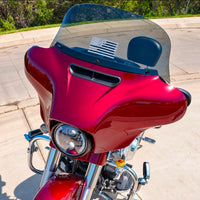
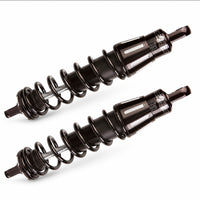
If the bike feels harsh, unsettled, low, or overloaded, suspension setup matters even more on a long trip.
Learn Why Super Shox Suspension MattersEvery Checklist Item Exists Because Something Went Wrong Once
Nobody creates a motorcycle trip-planning checklist because they love making lists.
They create one because they got caught in a storm.
Or ran low on fuel.
Or found out every nearby hotel was full.
Or discovered the road they planned was closed.
Or installed something new on the bike and realized too late that it needed adjusting.
Every mistake becomes a lesson.
Every lesson becomes part of the system.
And eventually, that system lets you spend less time solving problems and more time enjoying the ride.
That is the real purpose of planning.
Not control.
Freedom.
Build The Trip Around The Ride You Actually Want
Whether the issue is wind fatigue, harsh suspension, rider position, loaded comfort, or long-distance confidence, the right answer starts with understanding what the bike needs to do before the trip begins.